If your floors are squeaking, cracking, separating, buckling, or showing signs of wear, you're probably wondering whether you should repair them or replace them entirely. In many cases, floor repairs can restore the appearance and functionality of damaged flooring at a fraction of the cost of full replacement. However, there are situations where replacement becomes the smarter long-term investment.
The answer depends on several factors, including the extent of the damage, the age of the flooring, the material involved, and your future plans for the property. Homeowners throughout Chicopee, Springfield, Holyoke, Westfield, Northampton, Amherst, and surrounding Western Massachusetts communities often face this decision after water damage, heavy wear, aging flooring, or accidental damage.
Understanding when floor repair is the right solution—and when replacement makes more financial sense—can help you avoid unnecessary expenses while protecting your home's value.
Common Signs Your Floors Need Repair
Not every flooring issue requires complete replacement.
Many flooring problems can be addressed through targeted repairs if caught early.
Common warning signs include:
- Cracked tiles
- Loose flooring planks
- Squeaky floors
- Scratches and gouges
- Water damage
- Buckling
- Warping
- Soft spots
- Uneven flooring
- Damaged grout
- Carpet tears
- Laminate separation
The sooner these problems are addressed, the more likely repair will be a viable option.
Ignoring damage often allows problems to worsen, increasing repair costs and potentially leading to full replacement.
What Causes Flooring Damage?
Flooring damage can occur for many reasons.
Understanding the cause helps determine the best repair strategy.
Water Damage
One of the most common causes of flooring failure.
Sources may include:
- Plumbing leaks
- Appliance leaks
- Flooding
- Roof leaks
- Excess humidity
Water damage can affect:
- Hardwood flooring
- Laminate flooring
- Subfloors
- Carpet
- Certain vinyl products
Heavy Foot Traffic
Over time, constant use creates wear patterns, scratches, and surface deterioration.
High-traffic areas include:
- Hallways
- Kitchens
- Entryways
- Living rooms
Furniture Damage
Heavy furniture can cause:
- Scratches
- Dents
- Gouges
- Compression damage
Poor Installation
Improper installation can result in:
- Gaps
- Loose boards
- Cracking
- Uneven surfaces
- Premature wear
Aging Materials
Even well-maintained flooring eventually experiences wear due to age and daily use.
Hardwood Floor Repair: When Repair Makes Sense
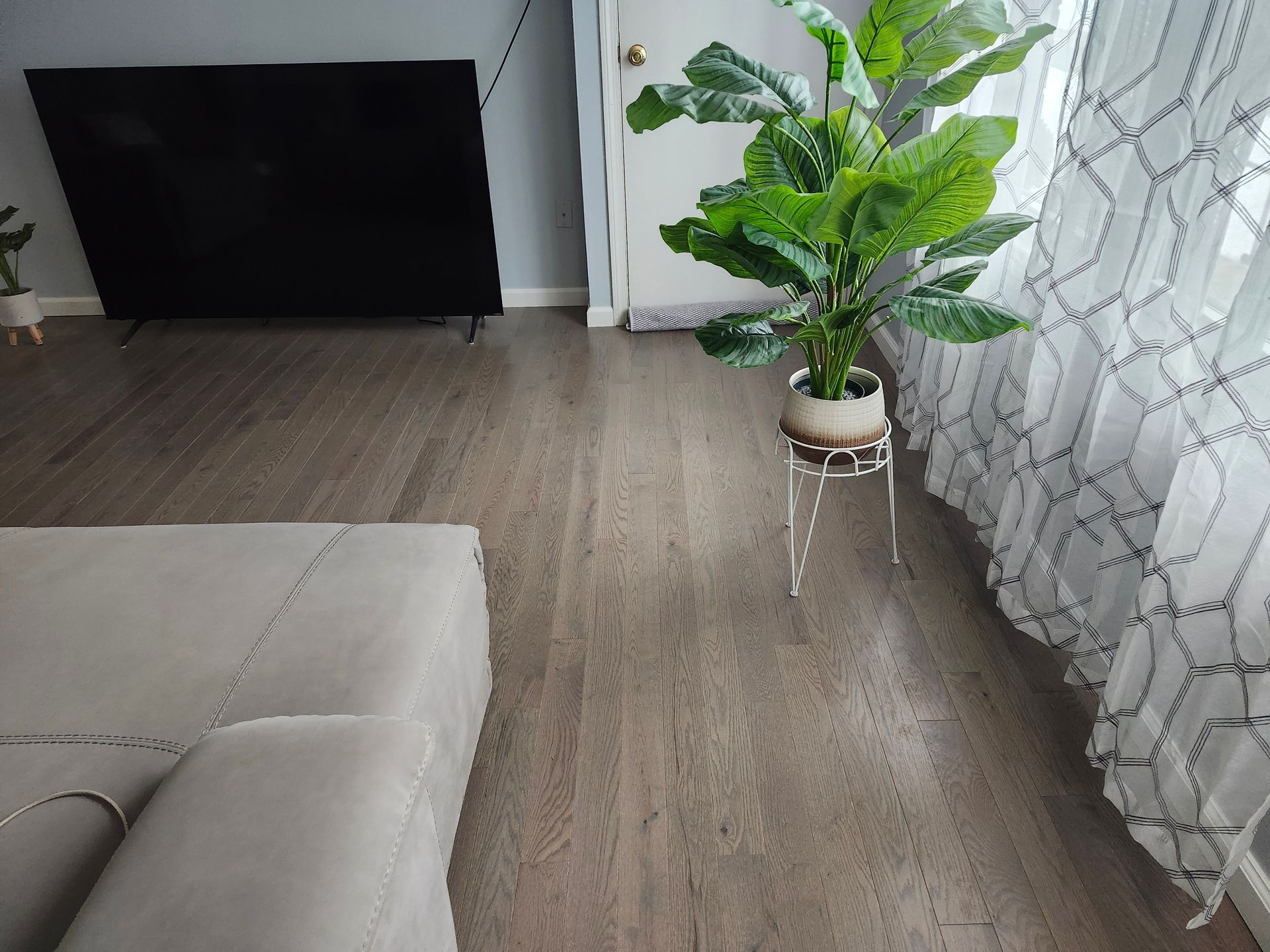
Hardwood flooring is one of the most repairable flooring materials available.
Many hardwood issues can be corrected without replacing the entire floor.
Common repair solutions include:
Scratch Removal
Minor scratches can often be repaired through refinishing techniques.
Board Replacement
Individual damaged boards may be replaced without removing the entire floor.
Sanding and Refinishing
Refinishing can restore worn hardwood to like-new condition.
Gap Repair
Seasonal movement sometimes creates visible gaps that can be corrected.
Repair is often recommended when:
- Damage is localized
- Most boards remain structurally sound
- The floor has significant remaining lifespan
- Matching materials are available
When Hardwood Flooring Should Be Replaced
In some situations, replacement becomes the better option.
Examples include:
- Severe water damage
- Widespread warping
- Extensive mold growth
- Structural deterioration
- Multiple failed repairs
A professional inspection helps determine whether restoration is practical.
Tile Floor Repair vs Replacement
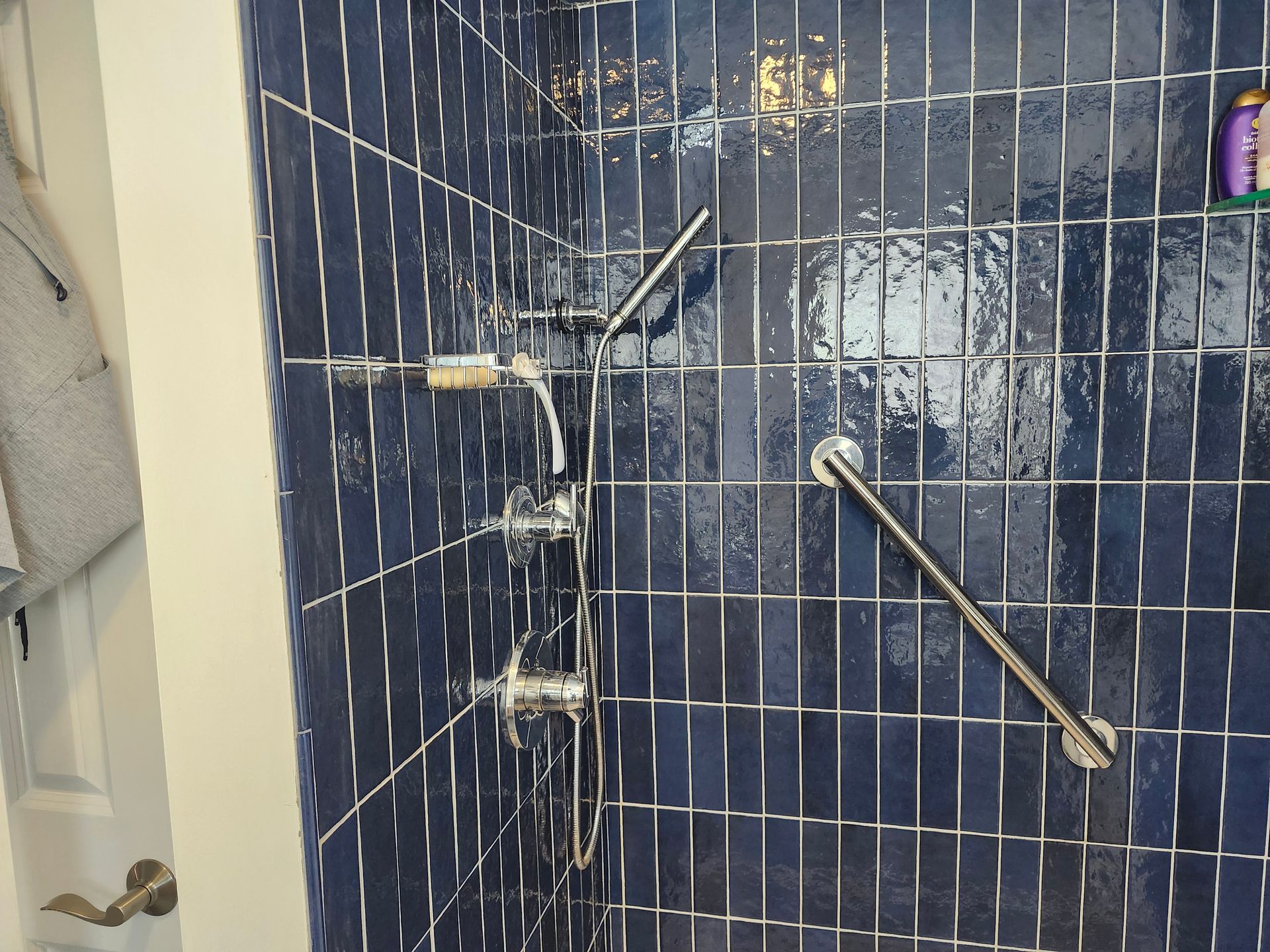
Tile flooring is known for durability, but damage can still occur.
Common tile issues include:
- Cracked tiles
- Chipped edges
- Loose tiles
- Grout deterioration
- Water intrusion
When Tile Repair Is Appropriate
Repair often works well when:
- Only a few tiles are damaged
- Matching tile remains available
- Subfloor damage is limited
- Grout problems are isolated
Professional tile repair can often restore the appearance of the floor without major renovation.
When Tile Replacement Is Necessary
Replacement may be recommended when:
- Numerous tiles are damaged
- Extensive subfloor issues exist
- Water damage has spread beneath the installation
- The flooring system has reached the end of its lifespan
Luxury Vinyl Flooring Repair Options
Luxury vinyl plank flooring is durable, but occasional repairs may still be required.
Common problems include:
- Scratches
- Plank separation
- Impact damage
- Moisture-related issues
Because many luxury vinyl floors utilize floating installation systems, individual planks can often be replaced without disturbing the entire floor.
This makes repairs relatively straightforward in many situations.
Laminate Floor Repair Possibilities
Laminate flooring may develop issues such as:
- Chipping
- Water damage
- Joint separation
- Surface wear
Minor damage can sometimes be repaired, but extensive moisture damage often requires replacement because swollen laminate panels typically cannot be restored.
Professional evaluation helps determine the most cost-effective approach.
Carpet Repair vs Replacement
Carpet damage does not always require complete replacement.
Repair options may include:
Patch Repairs
Small damaged sections can sometimes be replaced.
Seam Repairs
Separated seams can often be rejoined.
Stretching
Wrinkles and ripples may be corrected through re-stretching.
Spot Repairs
Localized damage can occasionally be addressed individually.
Replacement becomes more likely when carpet experiences:
- Extensive staining
- Significant wear
- Strong odors
- Widespread damage
What Factors Affect Floor Repair Costs?
Several variables influence repair pricing.
Flooring Material
Different flooring types require different repair techniques.
Extent of Damage
Larger repairs generally require:
- More labor
- Additional materials
- Longer project timelines
Accessibility
Repairs in difficult locations may increase labor requirements.
Subfloor Condition
Underlying damage often increases repair complexity.
Material Availability
Matching older flooring products can sometimes be challenging.
Professional estimates help homeowners understand expected repair costs before work begins.
Repairing Floors Can Improve Home Value
Damaged flooring often creates negative impressions.
Repairing flooring can improve:
- Appearance
- Safety
- Functionality
- Buyer perception
- Overall property presentation
Potential buyers frequently notice flooring condition immediately.
Addressing visible damage before listing a home may improve marketability and buyer confidence.
Signs Replacement May Be More Cost-Effective
Although repairs can save money, replacement sometimes offers better long-term value.
Consider replacement when:
- Damage affects large areas
- Multiple repairs are required
- Flooring is nearing the end of its lifespan
- Matching materials are unavailable
- Structural problems exist
- Maintenance costs continue increasing
Replacing aging flooring may eliminate recurring repair expenses while improving overall appearance.
Why Professional Floor Repair Matters
Floor repair often appears simple but may involve hidden challenges.
Professional contractors evaluate:
- Structural integrity
- Moisture issues
- Installation methods
- Material compatibility
- Long-term performance
Professional repair helps ensure:
- Proper diagnosis
- Lasting results
- Quality workmanship
- Reduced future problems
DIY repairs sometimes address visible symptoms without correcting underlying causes.
Preventing Future Flooring Damage
Routine maintenance helps extend flooring lifespan.
Recommended practices include:
Use Protective Furniture Pads
Reduce scratching and denting.
Clean Spills Quickly
Minimize moisture-related damage.
Maintain Proper Humidity Levels
Protect hardwood and laminate flooring.
Place Mats at Entryways
Reduce dirt and moisture exposure.
Schedule Repairs Early
Small issues often become larger problems when ignored.
Preventive maintenance is typically less expensive than major repairs.
Why Homeowners Choose Family Flooring & Tile
Family Flooring & Tile proudly provides floor repair services throughout Chicopee and Western Massachusetts.
Our services include:
- Hardwood floor repairs
- Tile repairs
- Vinyl flooring repairs
- Laminate floor repairs
- Flooring replacement
- Tile installation
- Flooring upgrades
- Subfloor evaluation
As a fully licensed, family-operated company, we focus on honest recommendations, quality workmanship, and long-term solutions for every customer.
Frequently Asked Questions
Is it cheaper to repair or replace flooring?
Minor damage is often less expensive to repair. Extensive damage may justify replacement.
Can water-damaged hardwood floors be repaired?
Sometimes. The answer depends on the severity of the damage and how quickly it is addressed.
Can cracked floor tiles be repaired?
Individual cracked tiles can often be replaced if matching materials are available.
How do I know if my subfloor is damaged?
Signs may include soft spots, squeaking, uneven surfaces, or visible water damage.
Does repairing flooring increase home value?
Repairing visible flooring damage can improve appearance, buyer confidence, and overall marketability.
Schedule Your Floor Repair Evaluation Today
If your floors are showing signs of damage, don't wait for small problems to become major repairs. Family Flooring & Tile provides professional floor repair services throughout Chicopee, Springfield, Holyoke, Westfield, Northampton, Amherst, and surrounding communities.
Whether you need hardwood floor repairs, tile replacement, laminate repair, luxury vinyl plank repairs, or a complete flooring evaluation, our experienced team can help determine the best solution for your home and budget.
Call Family Flooring & Tile at (413) 883-7014 or email Williambergeron51@yahoo.com today for your free estimate.